
EYFS
Early Years Curriculum
In Reception, we follow the Early Years Foundation Stage (EYFS), the statutory framework for children from birth to five years. The EYFS sets the standards for learning, development and care, ensuring every child has the best possible start to their education and is supported to become confident, happy and independent learners. The EYFS curriculum is built around seven areas of learning and development, which are divided into three Prime Areas and four Specific Areas.
Prime Areas
The Prime Areas are fundamental to children's learning and development and provide the foundations for future learning.
- Communication and Language
- Physical Development
- Personal, Social and Emotional Development
Specific Areas
The Specific Areas build upon the Prime Areas and help children develop their knowledge, skills and understanding across a broad curriculum.
- Literacy
- Mathematics
- Understanding the World
- Expressive Arts and Design
All seven areas are equally important and are carefully planned to provide a broad, balanced and engaging curriculum.
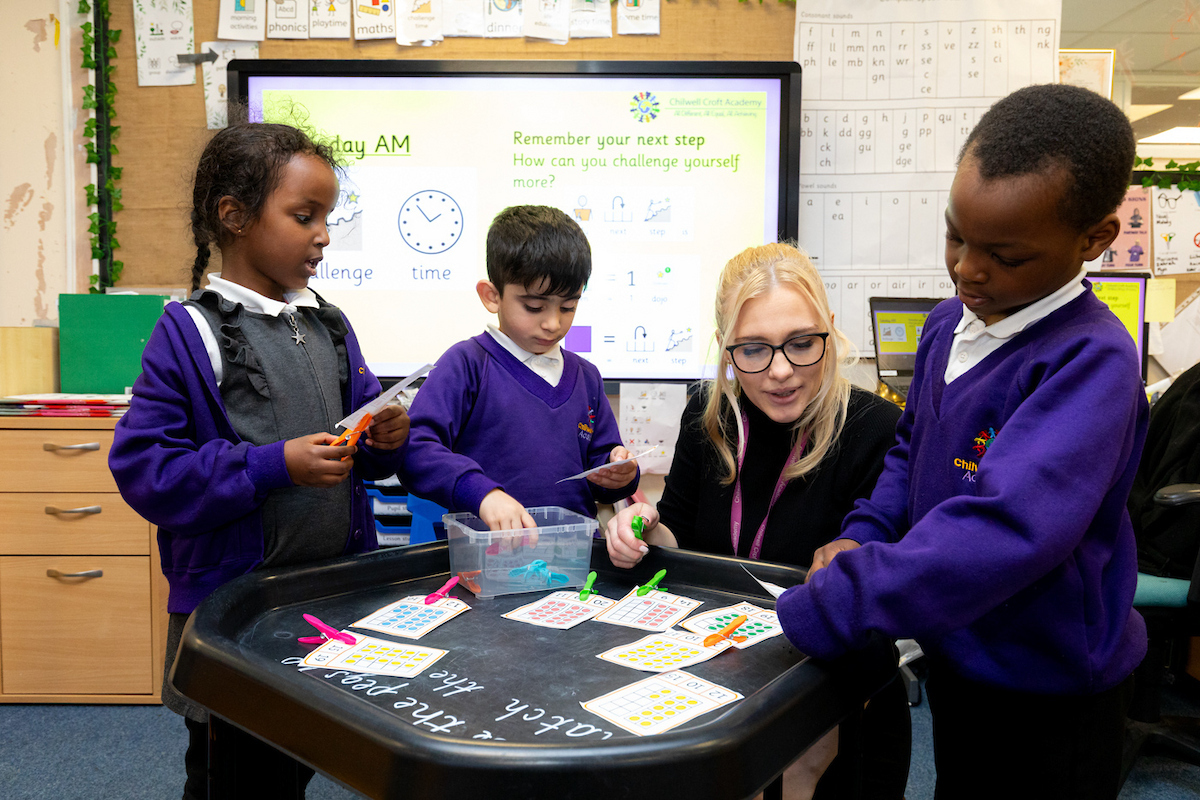
At Chilwell Croft Academy, learning takes place through a combination of adult-led activities and child-initiated play. Our stimulating indoor and outdoor learning environments encourage children to explore, investigate, create and develop independence while building confidence and resilience.
Learning Through Play
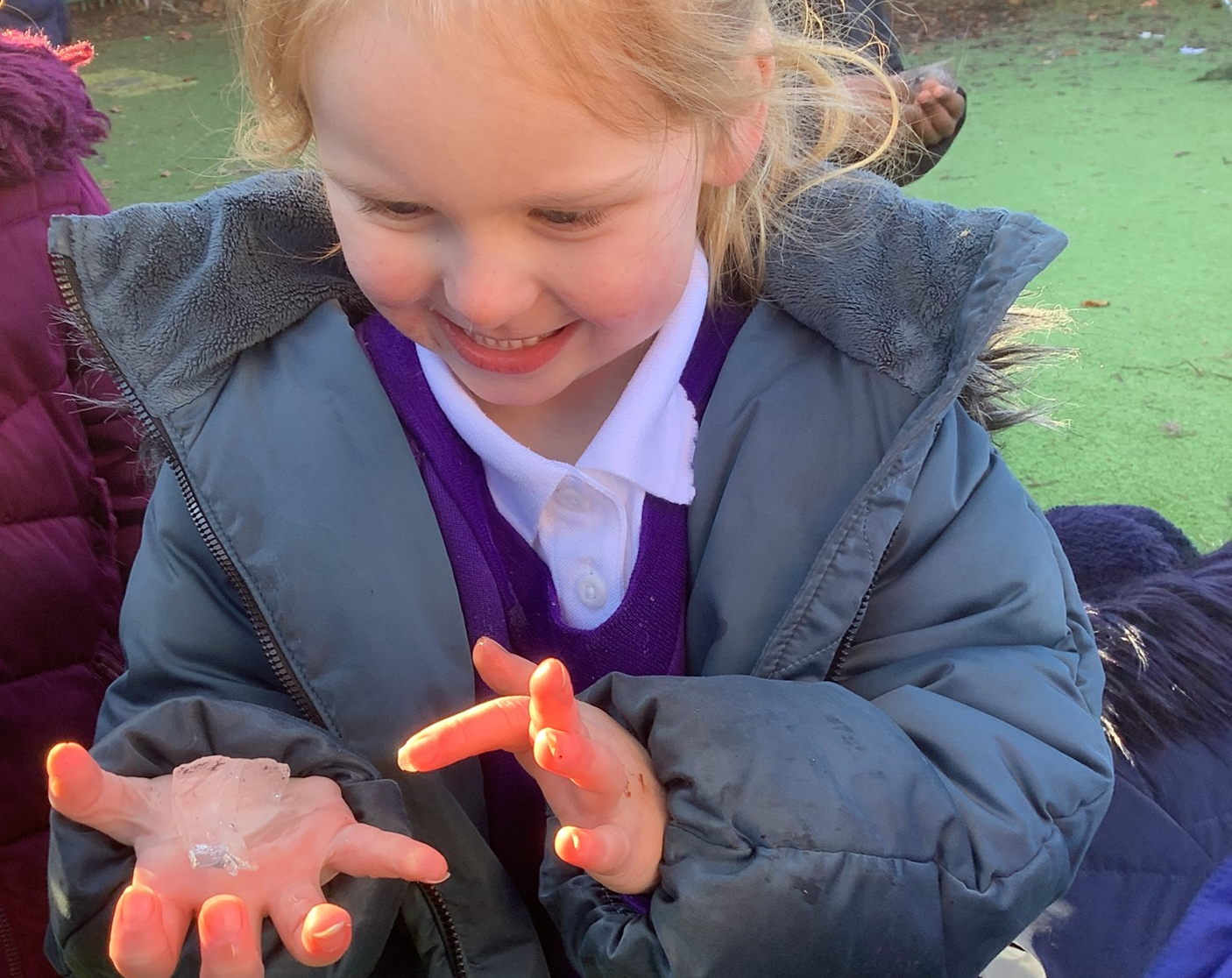
Play is at the heart of our Reception curriculum. Through carefully planned opportunities for exploration, investigation and problem-solving, children develop their curiosity, creativity and understanding of the world around them. Purposeful play enables children to practise new skills, make connections in their learning and develop positive attitudes towards learning in a fun, meaningful and engaging way.
Characteristics of Effective Teaching and Learning
Alongside the seven areas of learning, we promote the Characteristics of Effective Teaching and Learning, which help children become successful learners. We encourage children to:
Play and Explore – investigating, experiencing new things and having a go.
Active Learning – concentrating, persevering and enjoying their achievements.
Creating and Thinking Critically – developing their own ideas, making links between experiences and solving problems.
These characteristics support children in becoming resilient, independent and motivated learners.
Supporting Every Child
Our staff carefully observe children as they learn through both adult-led and child-initiated experiences. These observations help us understand each child's interests, strengths and next steps in learning, enabling us to provide experiences that are carefully matched to individual needs. We recognise that every child is unique and develops at their own pace. Our inclusive curriculum provides appropriate support and challenge to help every child achieve their full potential.
Reception Baseline Assessment (RBA)
The Reception Baseline Assessment (RBA) is a short, practical assessment completed within the first six weeks of children starting Reception.
The assessment helps teachers understand each child's starting point in early literacy, communication, language and mathematics. There is no pass or fail, and children do not need to prepare beforehand. The assessment is carried out in a relaxed, one-to-one setting by the class teacher and forms part of the national assessment framework.
For further information, please visit the Reception Baseline Assessment: Information for Parents page on the GOV.UK website.
Working in Partnership with Parents
We believe that parents and carers are children's first and most important educators. By working closely together, we can provide the very best start for every child. We value strong partnerships with families and regularly share children's learning and achievements through observations, discussions and celebrations of their progress. Together, we support children to develop the confidence, skills and love of learning that will prepare them for the next stage of their education.
It would be good to have photos for the prime and specific areas. Parents come to read every Tuesday morning – a picture of this would be good with the parent partnership section.